









Most small business websites fail in the same, quiet way: they exist, they look fine, and they don't bring in work. Usually not because of the design, but because something basic is missing — a page for each service, a phone number you can tap, a reason to trust you.
Use this checklist whether you build the site yourself or hire someone. It's what we go through on every project.
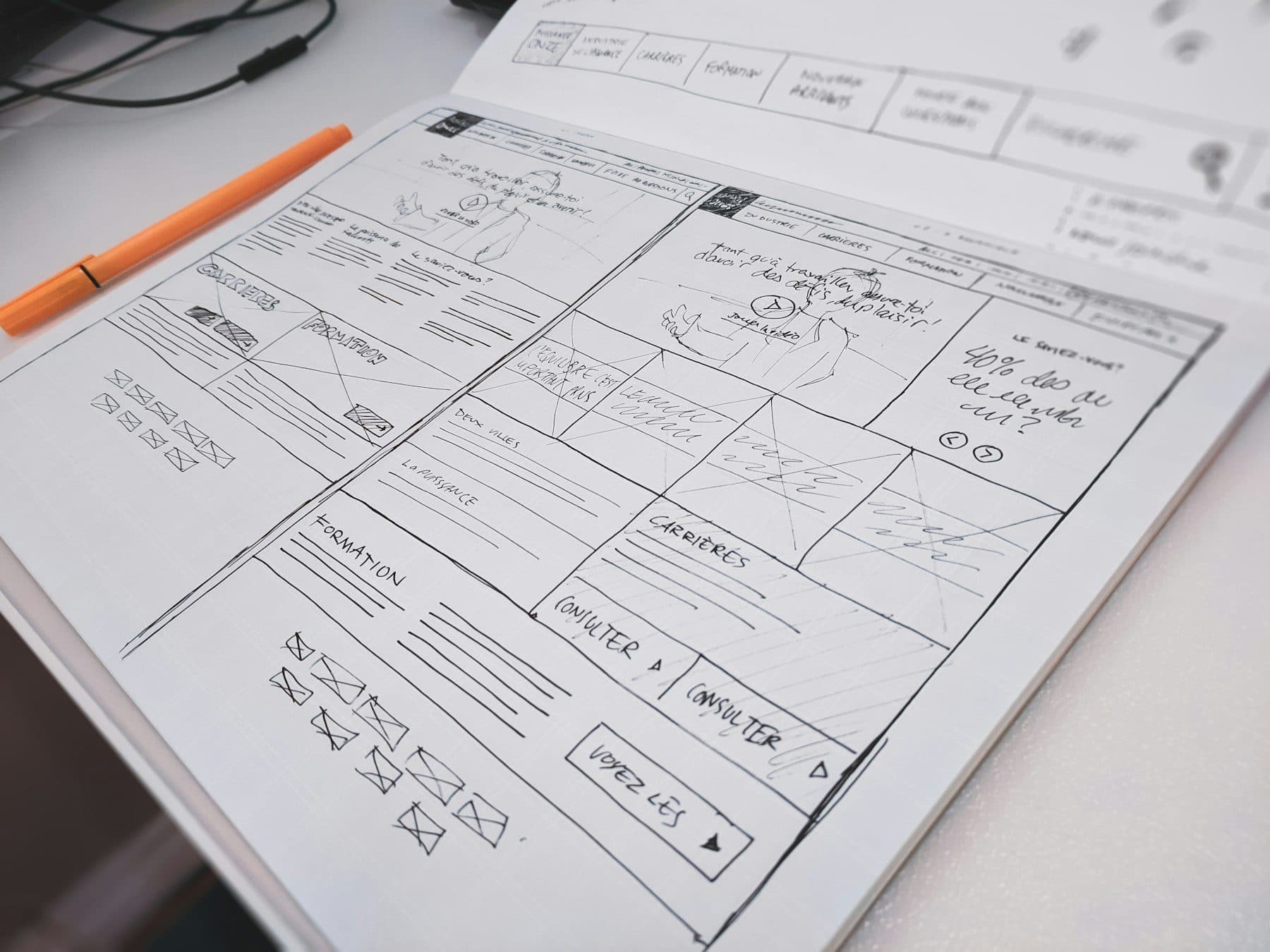
1. Decide what the site is for
A website for a local business has one main job: turn a stranger into a call, a request or a booking. Pick the one action that matters most and design every page around it. Everything else — the story, the gallery, the blog — supports that action.
2. The pages you need
- Home — who you are, what you do, where, and the next step, all visible without scrolling on a phone.
- One page per service — the most important pages for Google. Someone searching “water heater repair” should land on a page about water heater repair.
- Service areas or location pages — if you serve several towns, say so clearly.
- About — the people behind the business, experience, licenses and guarantees.
- Work or gallery — real photos of real jobs beat stock photos every time.
- Reviews — the strongest proof you have.
- FAQ — answer the questions you get on every phone call.
- Contact — phone, form, address or service area, hours and a map.
3. Details that win the call
- A tap-to-call phone number in the header on every page.
- A short form (name, phone, what you need) — every extra field loses people.
- Business hours, including when you answer emergencies.
- Licenses, insurance, guarantees and years in business.
- Reviews with names, ideally pulled from your Google profile.
- Your name, address and phone exactly as they appear on Google.
4. Copy that answers real searches
Write the way your customers search: the service plus the place (“roof repair Fort Worth”), and the questions they ask (“how much does…”, “how long does…”). Each service page should answer what's included, who it's for, how it works, roughly what affects the cost, and what to do next.
5. Speed and phones first
Most local searches happen on a phone, often in a hurry. A page that takes four seconds to load loses a large share of visitors before they read a word. Compress images, avoid heavy page builders and test on a real phone, not just a desktop.
6. The technical SEO basics
- A unique title and meta description for every page.
- One clear H1 per page that says what the page is about.
- LocalBusiness structured data with your name, address, phone and hours.
- An XML sitemap, submitted in Google Search Console.
- HTTPS, clean URLs and redirects from any old pages.
- Google Analytics 4 with calls and form submissions tracked as conversions.
7. Accessibility and trust
Readable contrast, real text instead of text inside images, labelled form fields and keyboard-friendly navigation make the site usable for everyone and reduce legal risk. Add a privacy policy, and a cookie banner if you use analytics or ads.
8. Connect it to Google Business Profile
Your website and your Google Business Profile work as a pair. Link the profile to the right page, keep the details identical, and the two reinforce each other in the map results.
Build it yourself or hire a studio?
Builders like Wix or Squarespace are fine for testing an idea. If the website is supposed to bring in customers every month, a custom build pays for itself through speed, structure and SEO. We're happy to look at your current site and tell you honestly which option fits.